
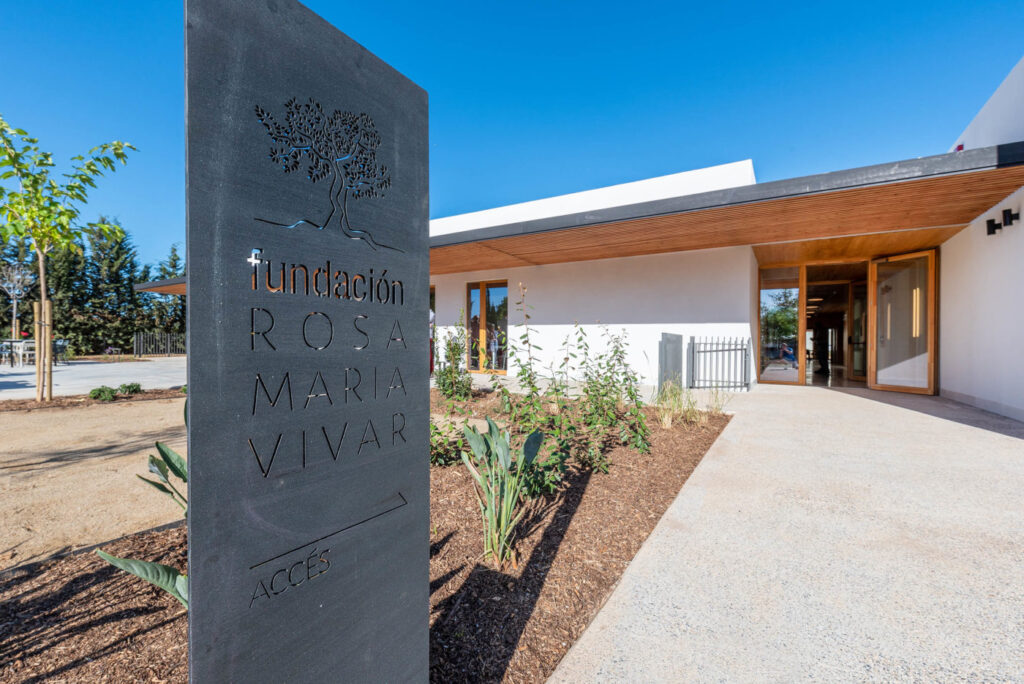
A center designed for better care
Paragraph: The Alzheimer’s therapeutic center in Camp de Tarragona, promoted by the Rosa Maria Vivar Foundation, is a benchmark for comprehensive care for people with Alzheimer’s.
The project was created to offer specialized care and therapeutic services in an environment designed to promote well-being, stimulation, interaction, and support.
Spaces and Resources
Care, Environment, and Stimulation
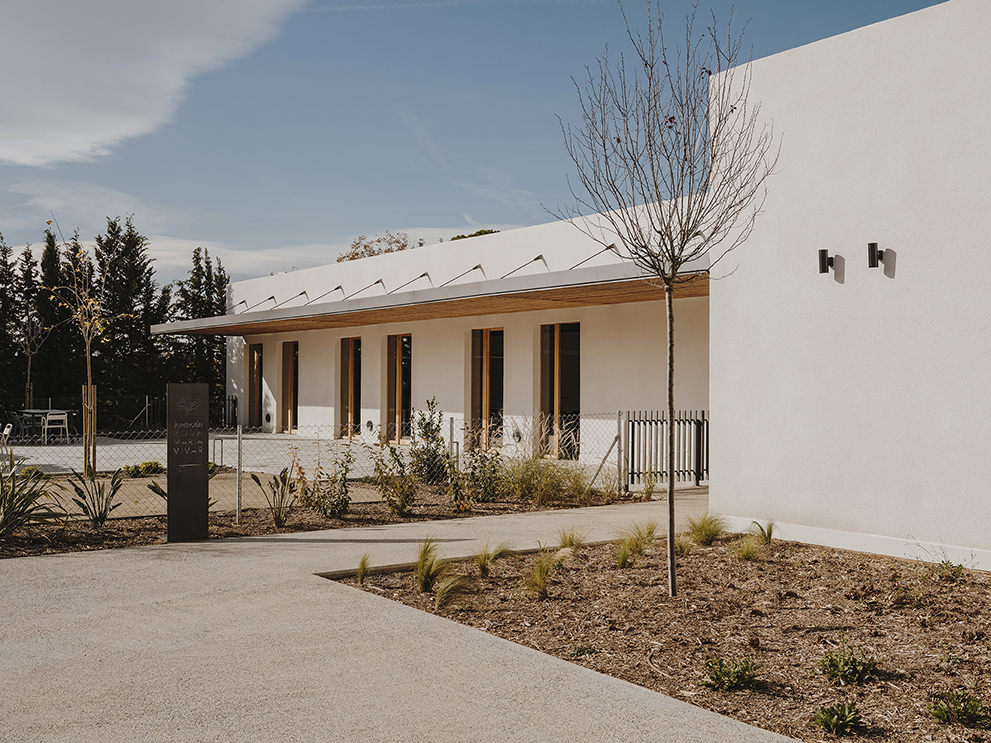
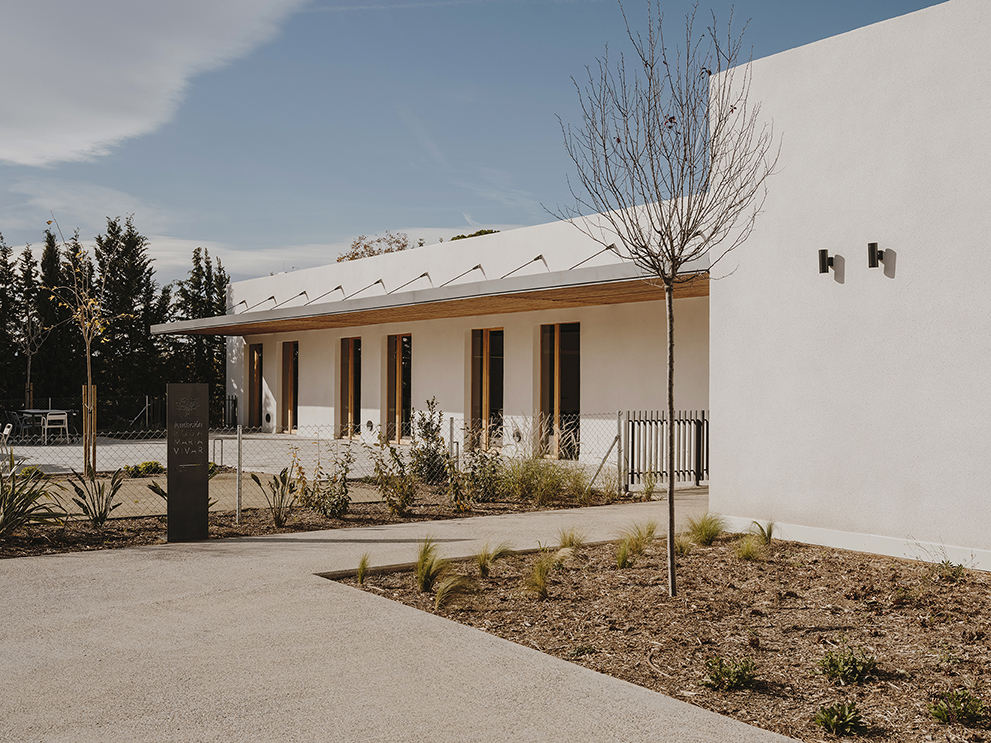
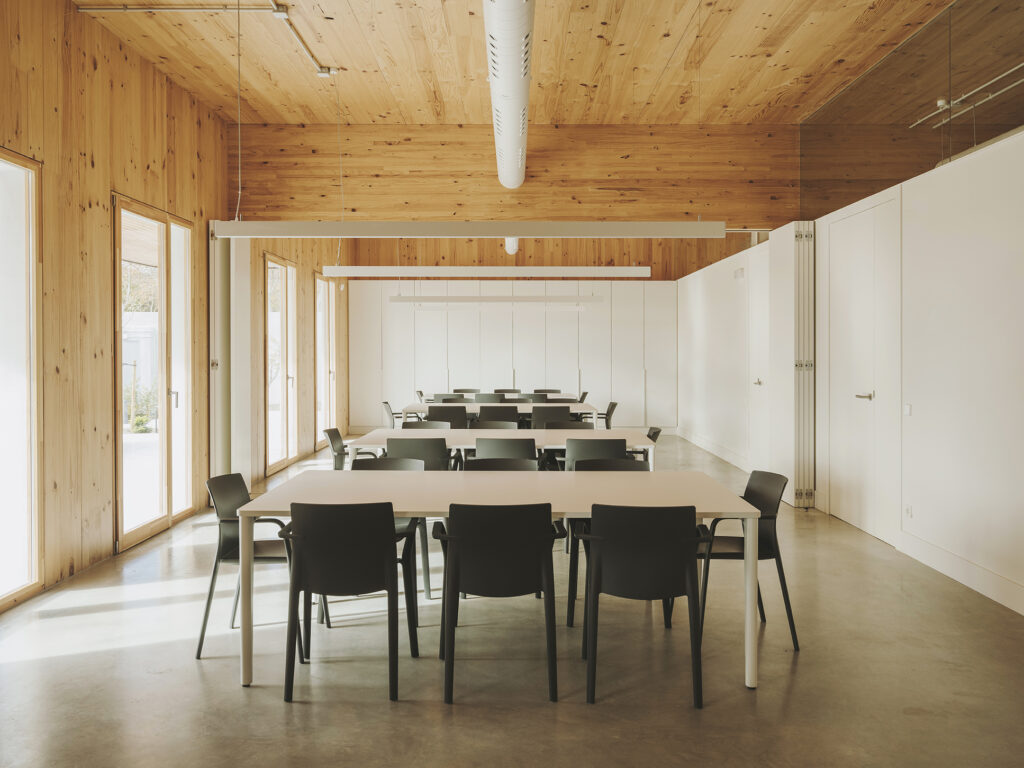
The center features 1,000 square meters of built space on one floor and 3,500 square meters of garden area, with the capacity to serve up to two hundred users.
Therapeutic Resources
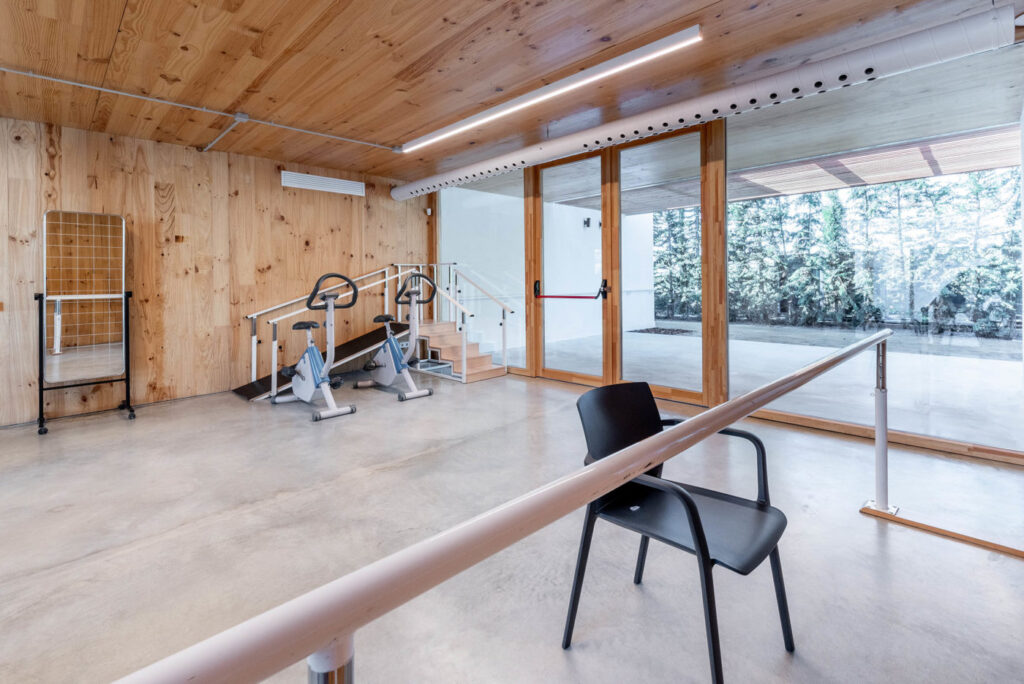
Its spaces incorporate resources for personalized therapies, multisensory stimulation, cooking activities, garden work, and dynamics aimed at maintaining abilities and connections.
Architecture and Well-being
The building was designed by GCA Architects as an entirely wooden space, a constructive and environmental decision that also seeks to foster a more pleasant experience for users.
Therapeutic Garden
The outdoor area, designed by landscape architect Belén Mutlló, fulfills a therapeutic, sensory, and well-being function, incorporating the natural environment as part of the care.
Collaboration and Territory
A project built through collaboration
The center was made possible thanks to the financial support of the Oliva-Vivar family and the collaboration of public administrations, institutions, local companies, and numerous individuals.
In December 2019, once constructed, the Foundation made it available to the Association for Alzheimer’s and other neurocognitive disorders of Reus and Baix Camp for its management, accompanied by a viability plan aimed at ensuring its long-term sustainability.
Institutional Milestone
A milestone for Alzheimer’s in Camp de Tarragona
The official inauguration took place on September 21, 2021, World Alzheimer’s Day, with the participation of the then Minister of Health, Josep Maria Argimon, and the General Director of “la Caixa” Foundation, Antoni Vila.
For FRMV, the center represents a concrete way of transforming a family history into social infrastructure, specialized care, and a long-term commitment to people affected by Alzheimer’s.
IMPROVEMENT OF THE ALZHEIMER’S THERAPEUTIC CENTER AND MEMORY UNIT
WITH THE SUPPORT OF: